
Operation Room
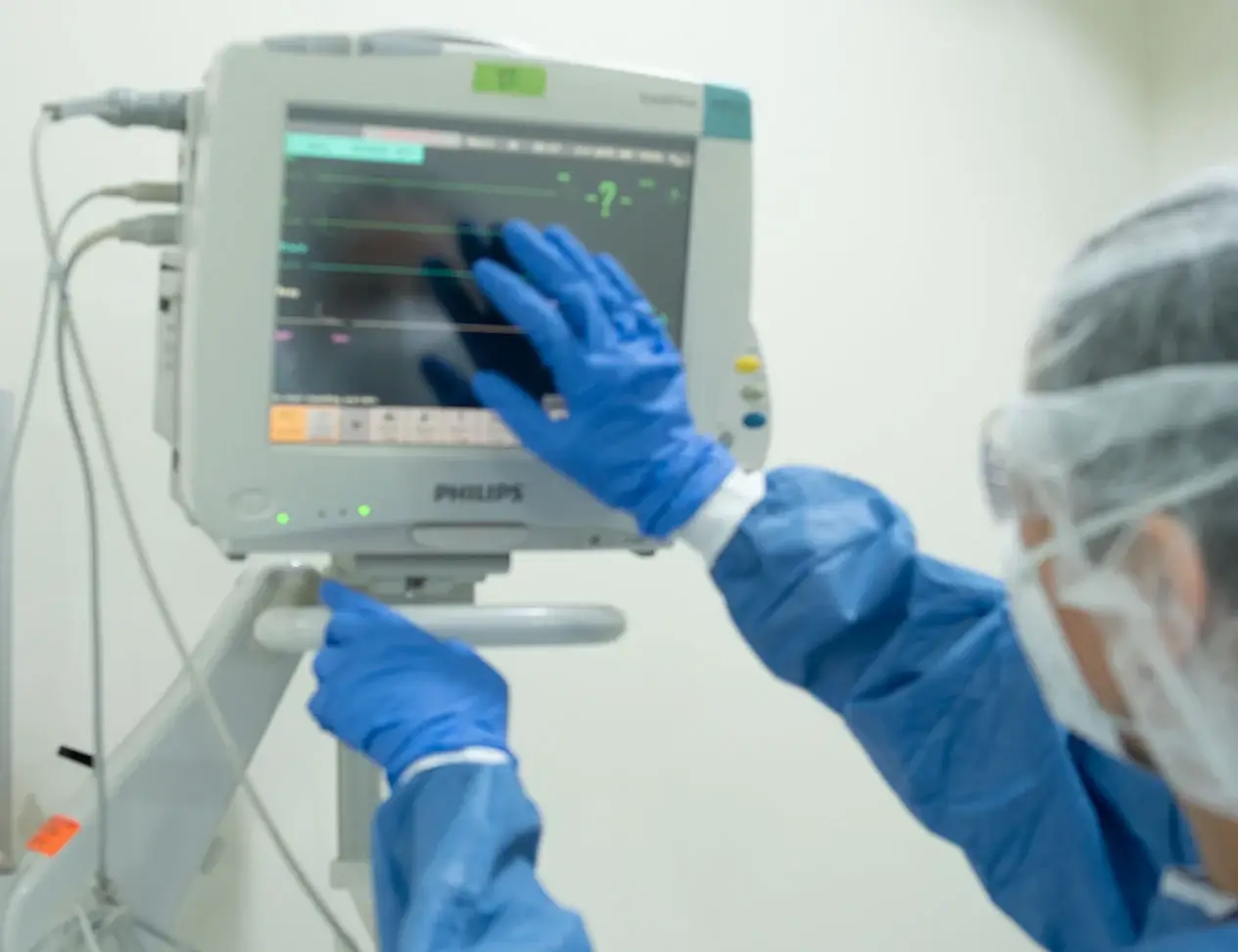
We have five operating rooms equipped with modern monitoring systems and anesthesia machines that provide complete safety for your patient
We have everything necessary for laparoscopic surgery, in which we can offer you…
Menor periodo de convalencia e incapacidad y más pronto retorno a actividades habituales.
Hospital
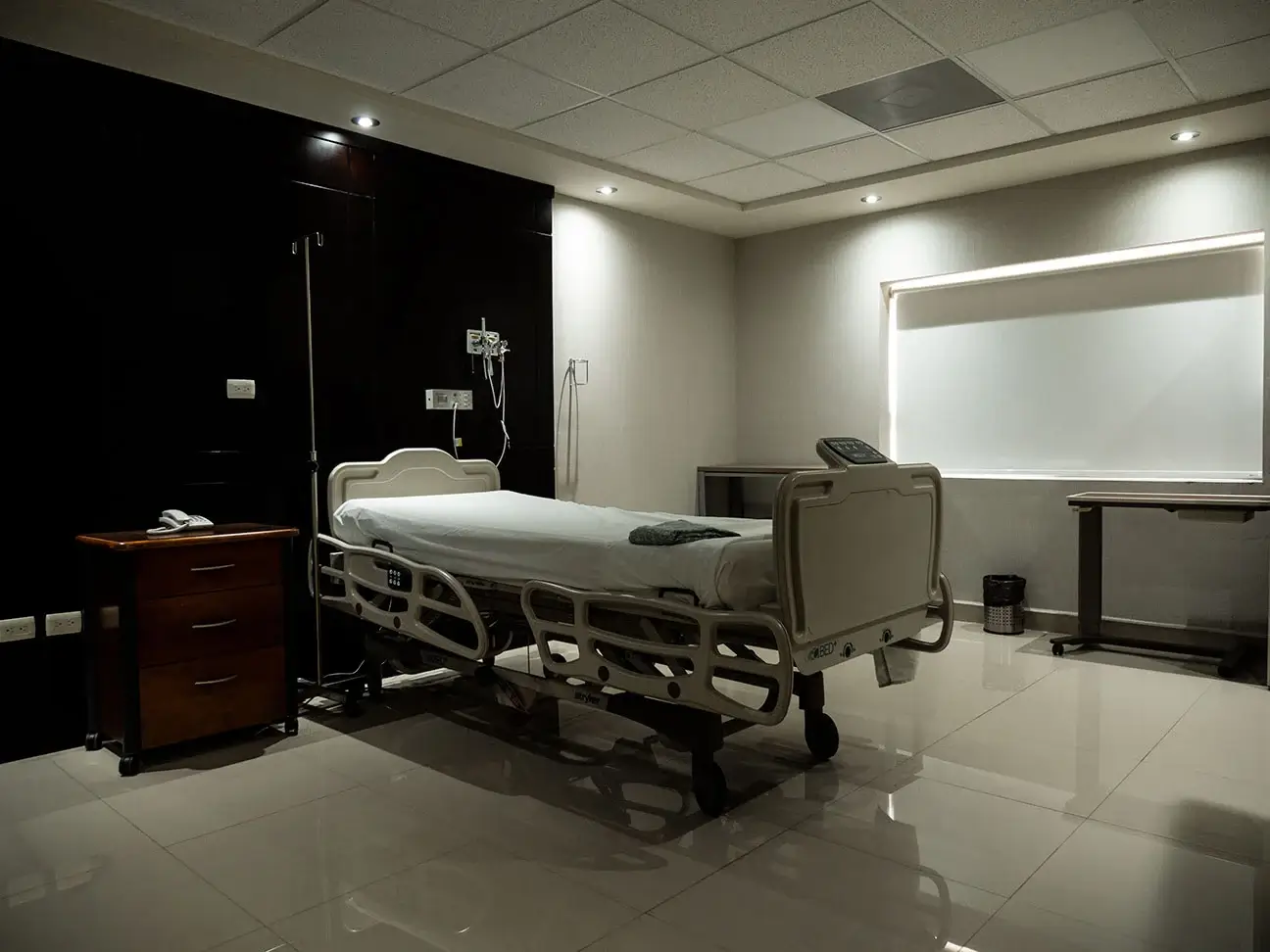
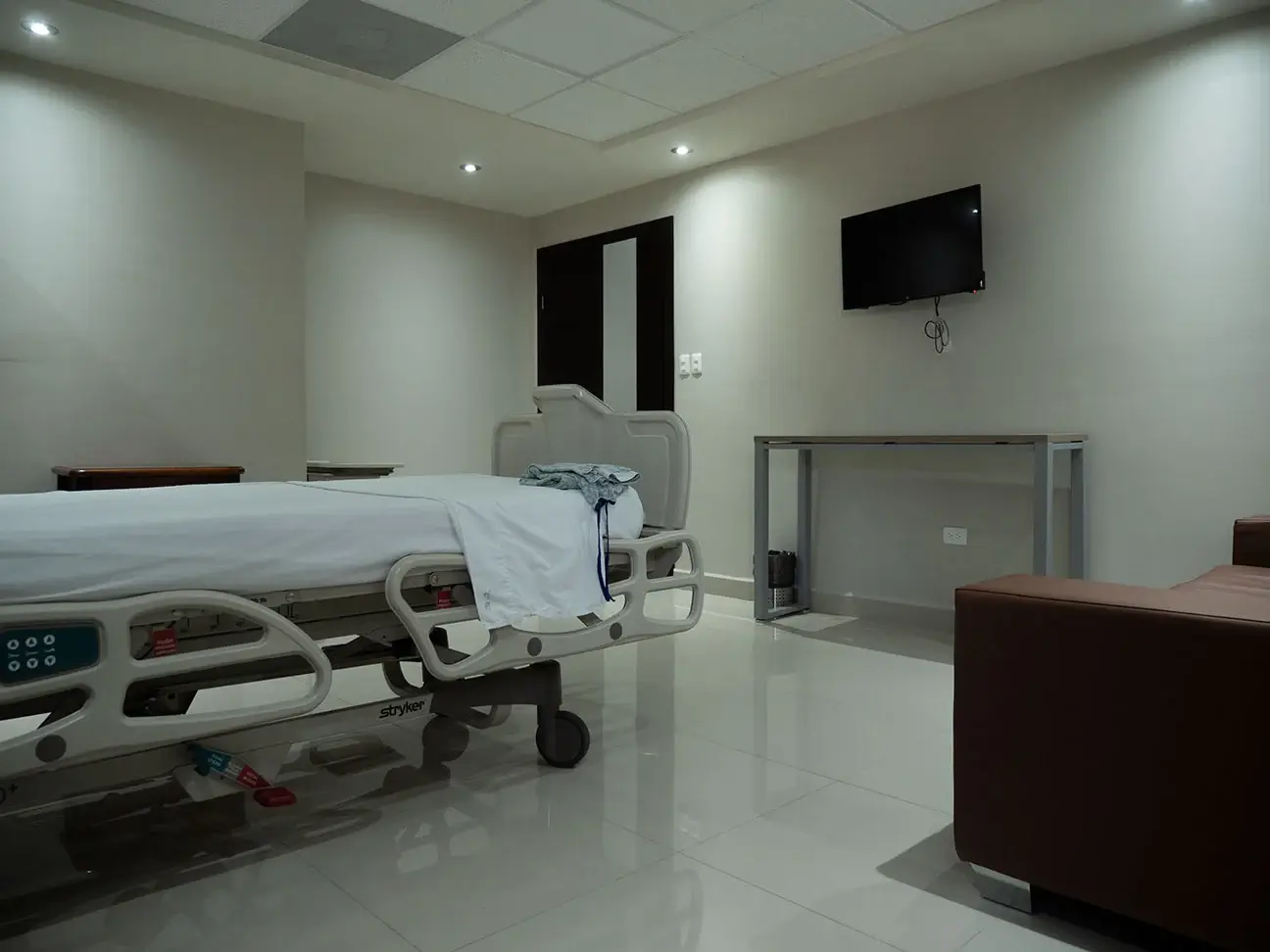
Con la mejor infraestructura hospitalaria de la región. Atendemos las 24 horas del dia los 365 días del año. Tenemos personal suficiente y capacitado para ofrecer atención a las 23 habitaciones que cuentan con:
Nursery
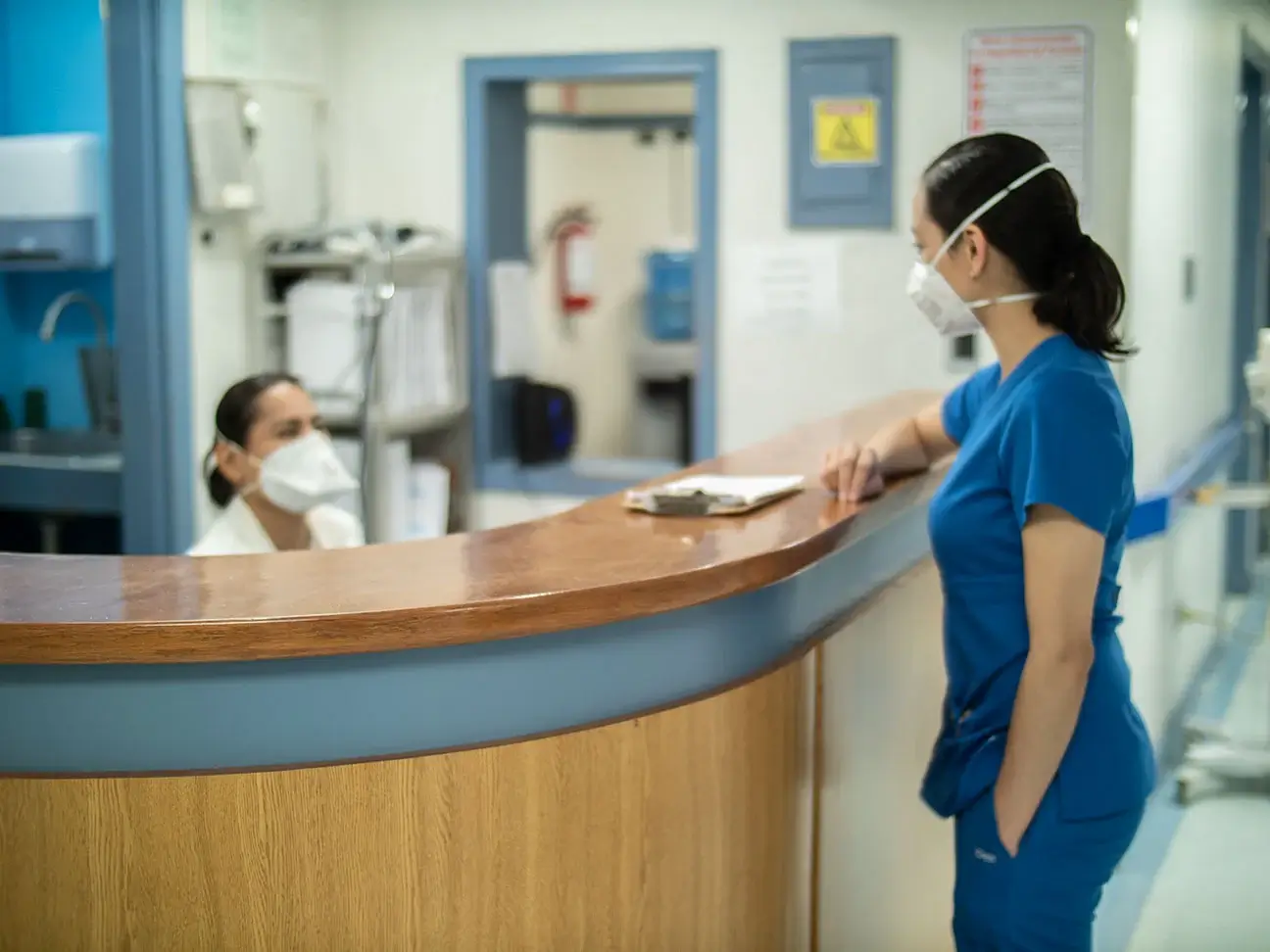
The nursery area is attended by specialized nursing staff 24 hours a day. It has restricted access, special 24-hour surveillance, and everything necessary according to the official standard.
El personal de enfermería está capacitado para prevenir y detectar cualquier complicación y le enseñara a la nueva mama todo lo necesario para alimentar a su bebe así como los cuidados básicos para el recién nacido.
Gastrointestinal Physiology
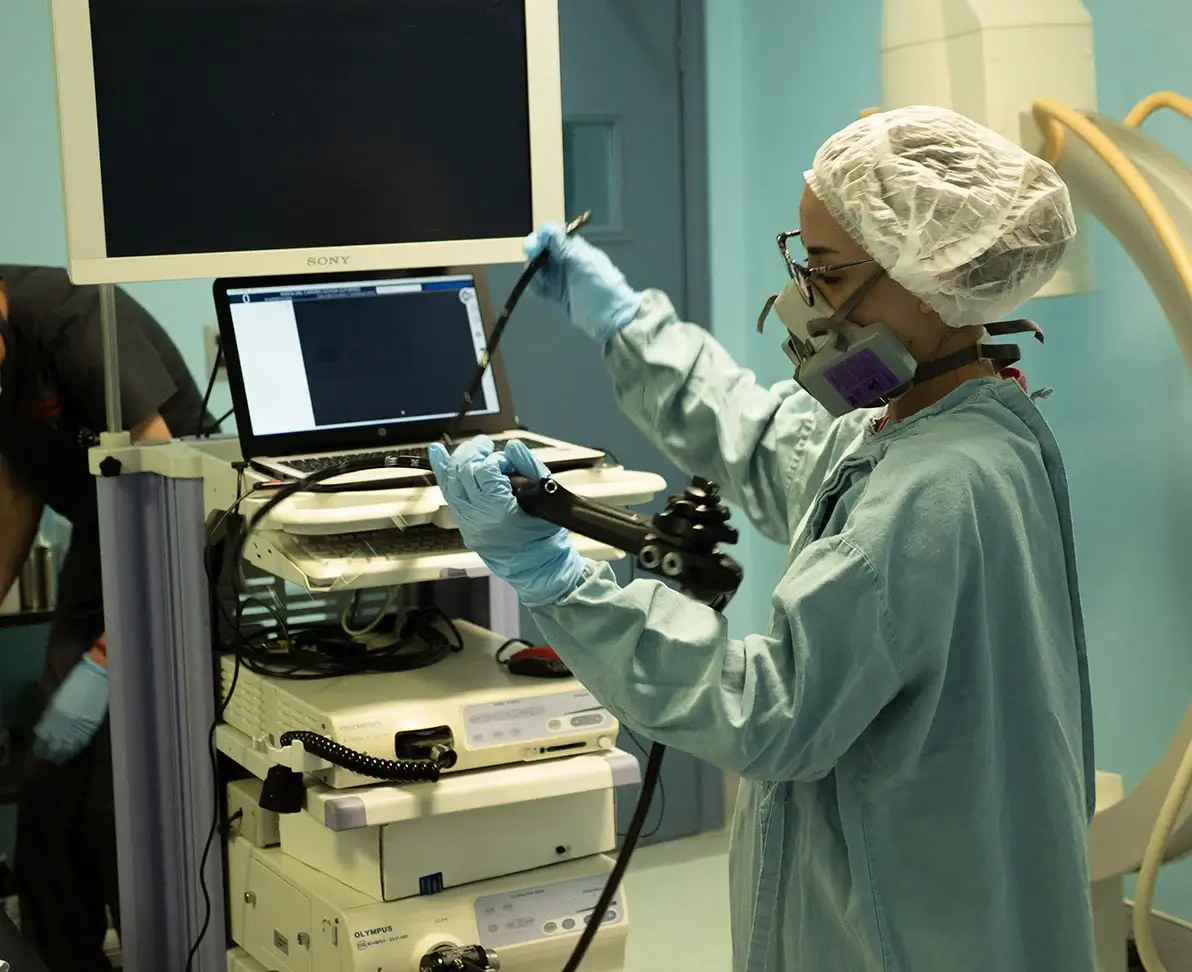
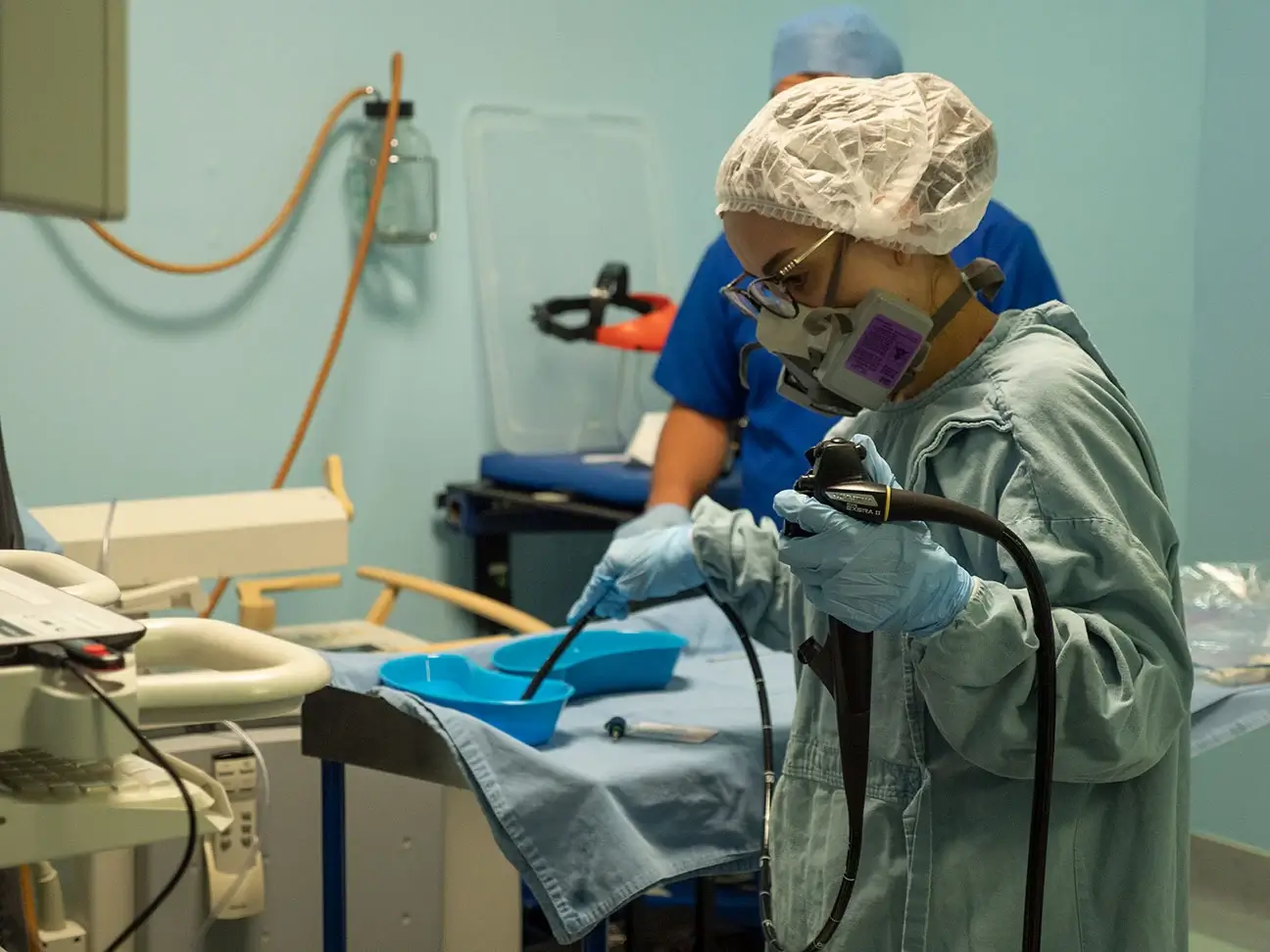
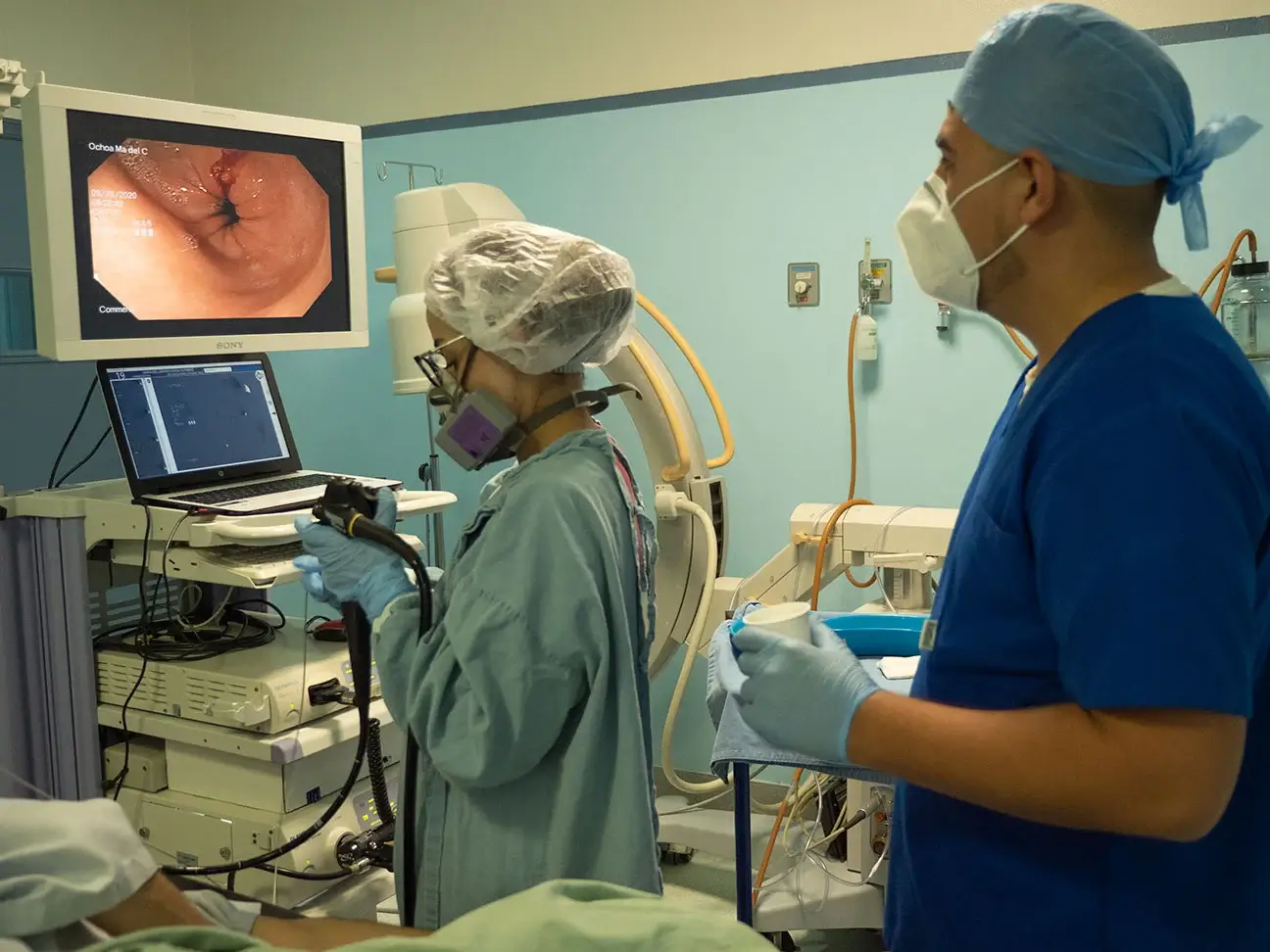
All endoscopic studies are performed using equipment known as endoscopes or video endoscopes. An endoscope is a flexible, illuminated, and very narrow fiber-optic tube. The tip of the tube includes a miniature camera with a wide-angle lens that allows the doctor to examine the lining of the digestive tract on a video monitor.
As the doctor moves the endoscope through the upper digestive tract, the endoscope transmits electronic signals to a computer that displays the image on a video screen. An open channel of the endoscope allows various instruments to pass through it to take tissue samples and perform other treatments.
The endoscopes used in the digestive system are the panendoscope, colonoscope, duodenoscope, and enteroscope.
Classically, gastrointestinal endoscopic studies are classified according to the part of the digestive tract being examined. Esophagogastroduodenoscopy, also known as Panendoscopy, is the procedure in which the larynx, esophagus, stomach, and duodenum are examined.
Colonoscopy, also known as lower endoscopy, examines the lower digestive tract, which includes the anus, rectum, colon, and the end of the small intestine (ileum).
One of the most difficult sections for the gastroenterologist to study is the small intestine, which for decades was considered the “blind spot” of the digestive tract, as there were no diagnostic methods capable of visualizing it in its entirety. In the last three decades, longer and thinner endoscopes (Enteroscopes) have been developed, allowing us to examine these areas. Nowadays, we even have non-invasive devices (Capsule Endoscopy) that, once ingested, capture images of the digestive tract as they travel through it.
Endoscopic Retrograde Cholangiopancreatography, also known as ERCP, is a procedure used to examine the bile ducts. It is performed using a side-viewing endoscope, unlike other types that provide a forward view. The procedure takes place in an X-ray room because radiopaque solutions must be introduced into the bile or pancreatic ducts to identify diseases related to these structures.
Endoscopic studies are considered safe procedures, and can be performed from newborns to elderly people, with very low morbidity and mortality directly related to the study. However, the most important aspect is that endoscopy not only provides the diagnosis of diseases, but also allows therapeutic actions to be carried out that can avoid surgery, stop a hemorrhage, extract a foreign body, or remove stones from the bile ducts, among others.
Shorter recovery and disability period, and earlier return to regular activities.
Pharmacy
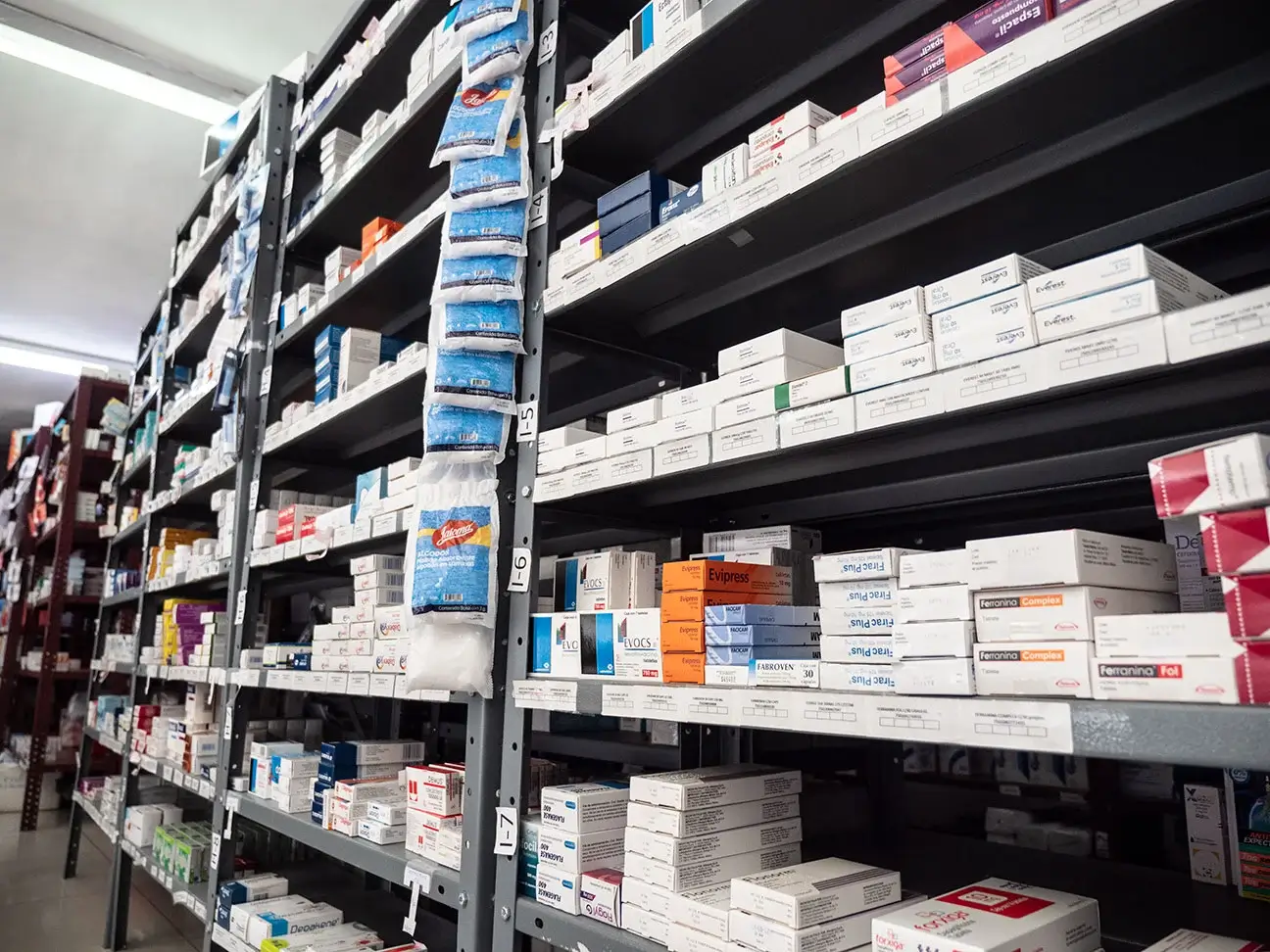
Farmacia México, with years of experience.
We sell brand-name and generic medications.
We offer a range of medications for systemic arterial hypertension, diabetes mellitus, dyslipidemia, dermatological, orthopedic, and ophthalmic treatments, as well as vaccines for influenza, HPV, chickenpox, herpes zoster, and pneumococcus available for purchase.
Nursing support is available for the administration of medications purchased from our pharmacy.


Intensive Care Unit
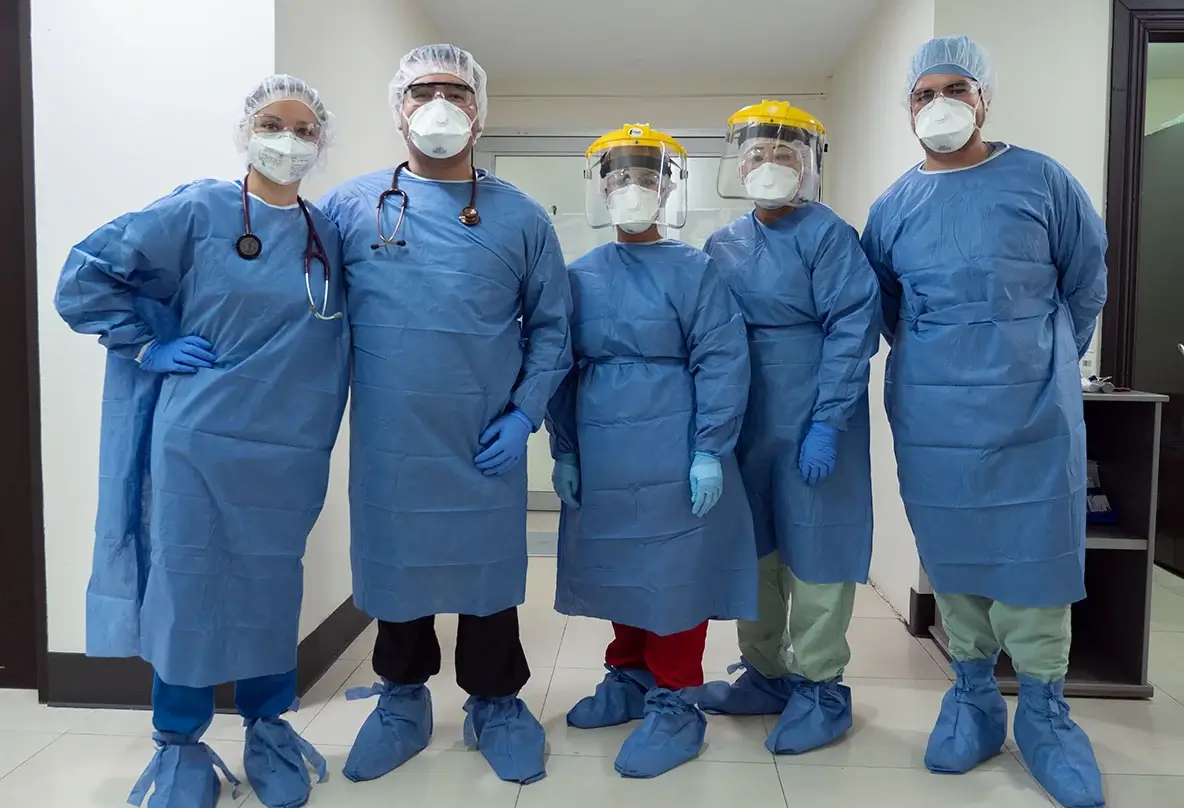
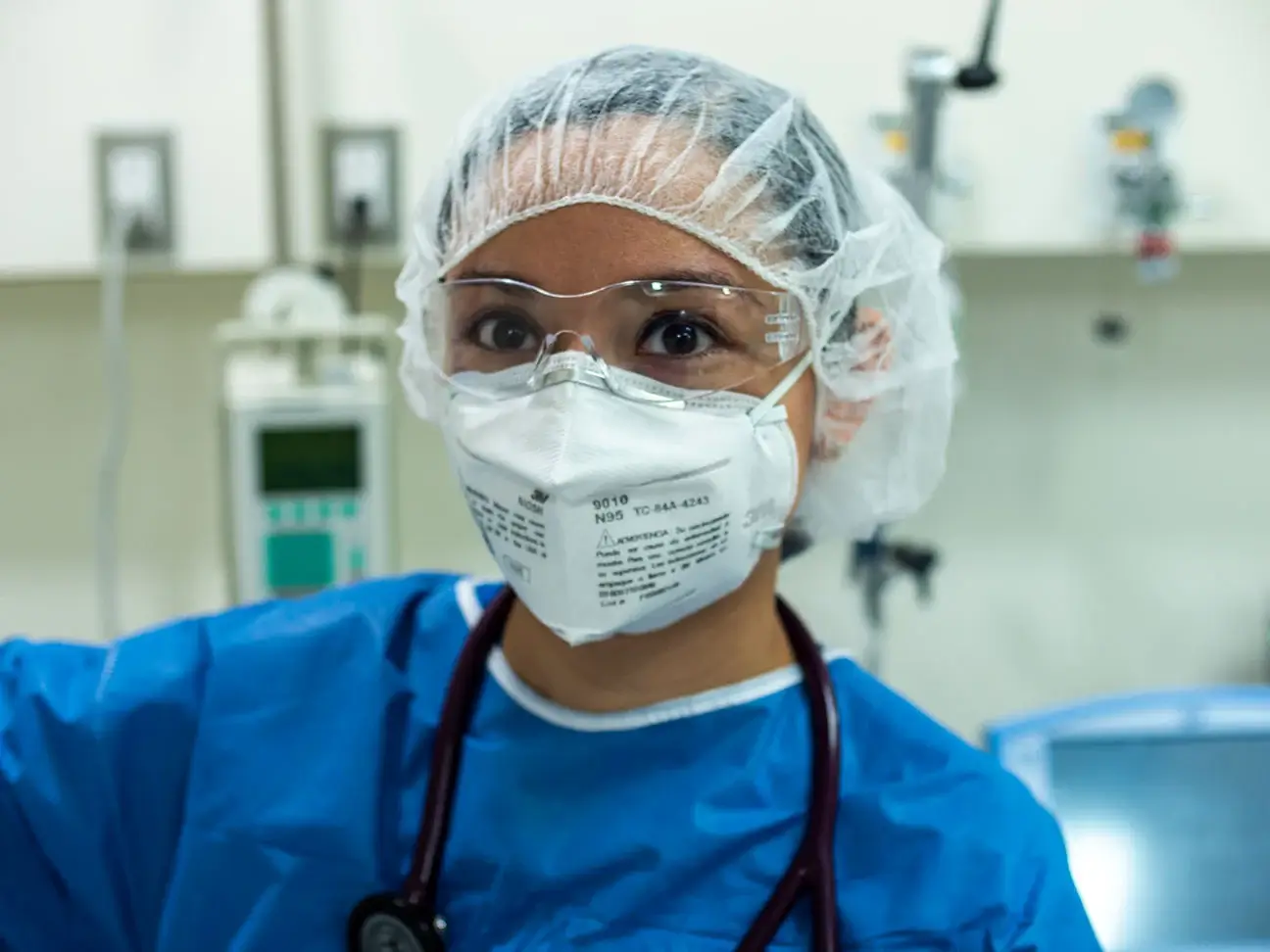
The Intensive Care Unit is equipped to treat patients in critical condition.
Features and services of the unit:
Radiology
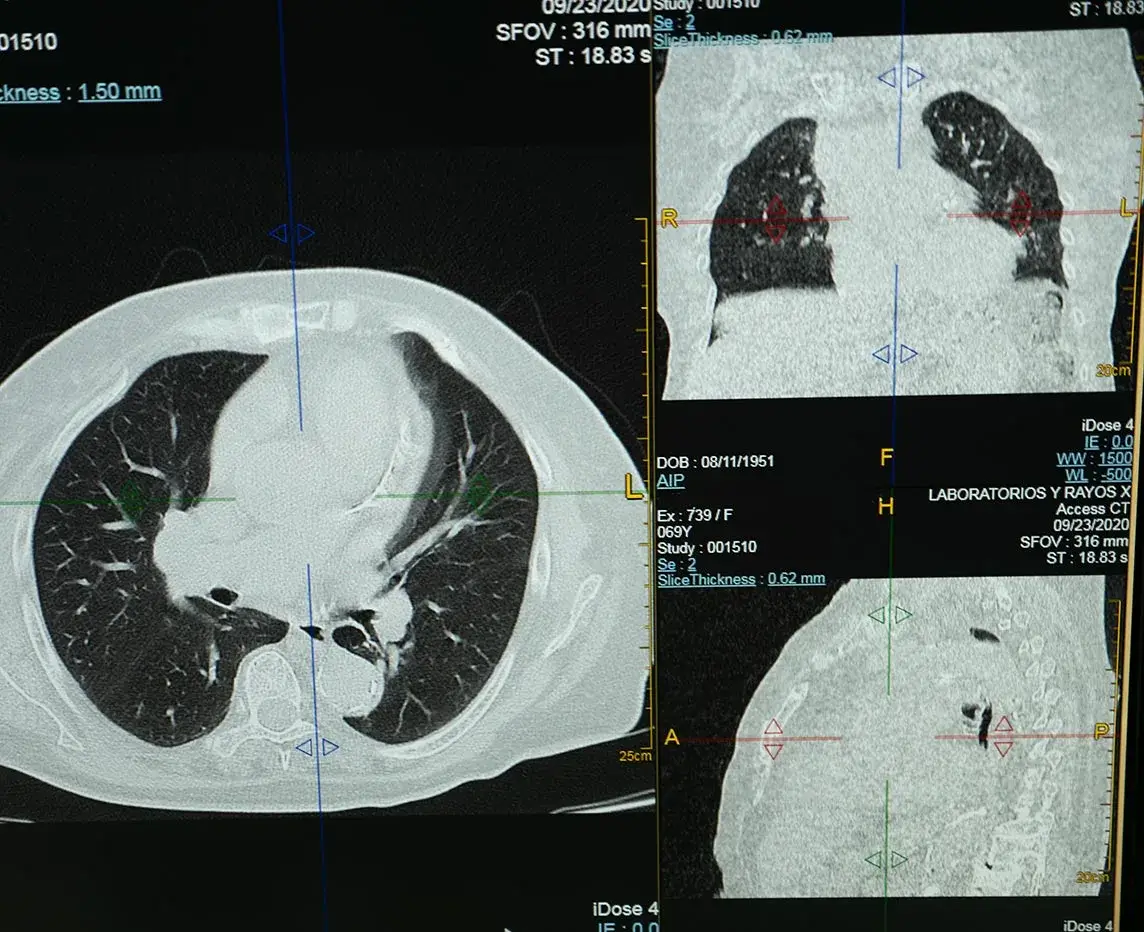
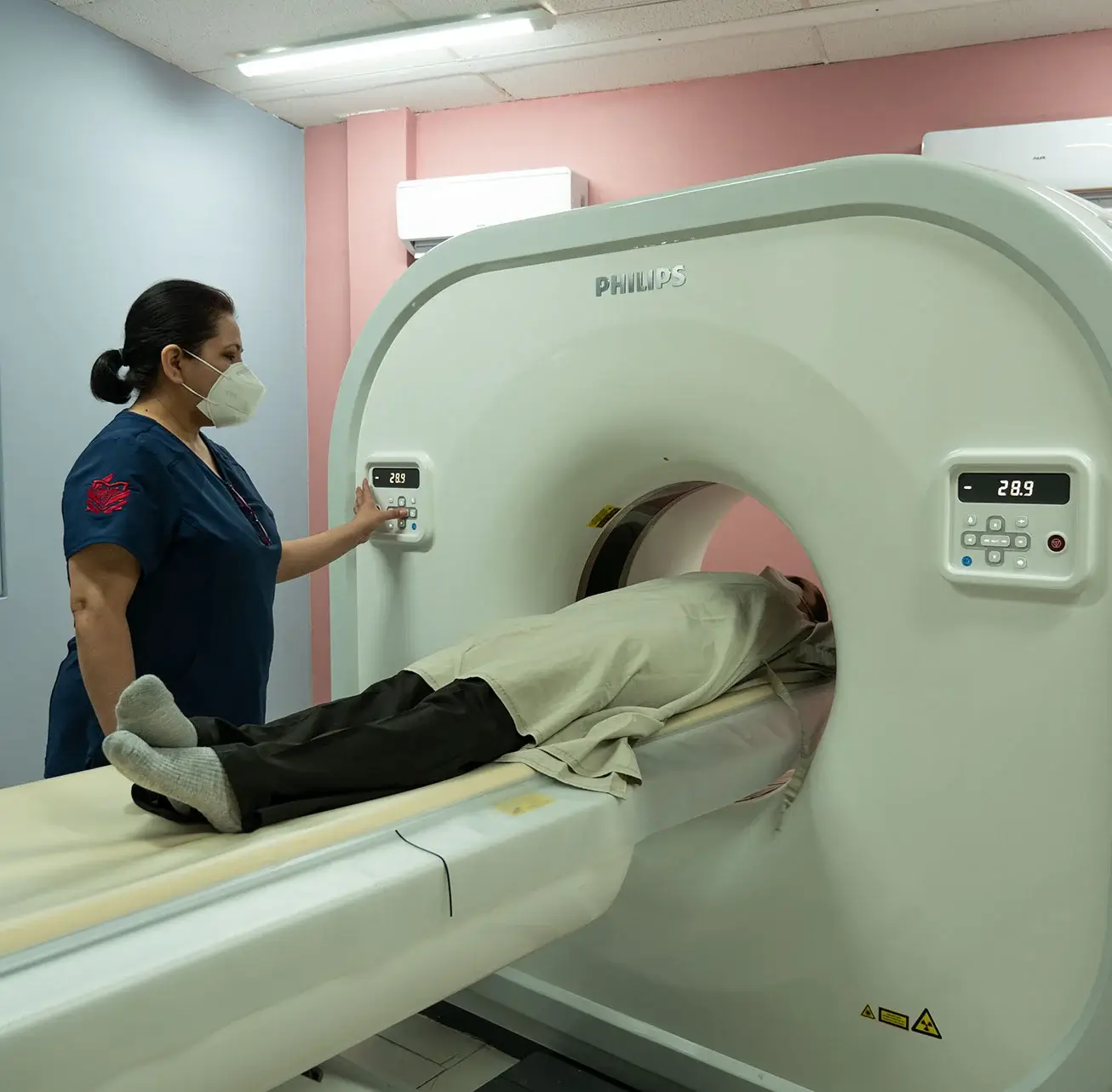
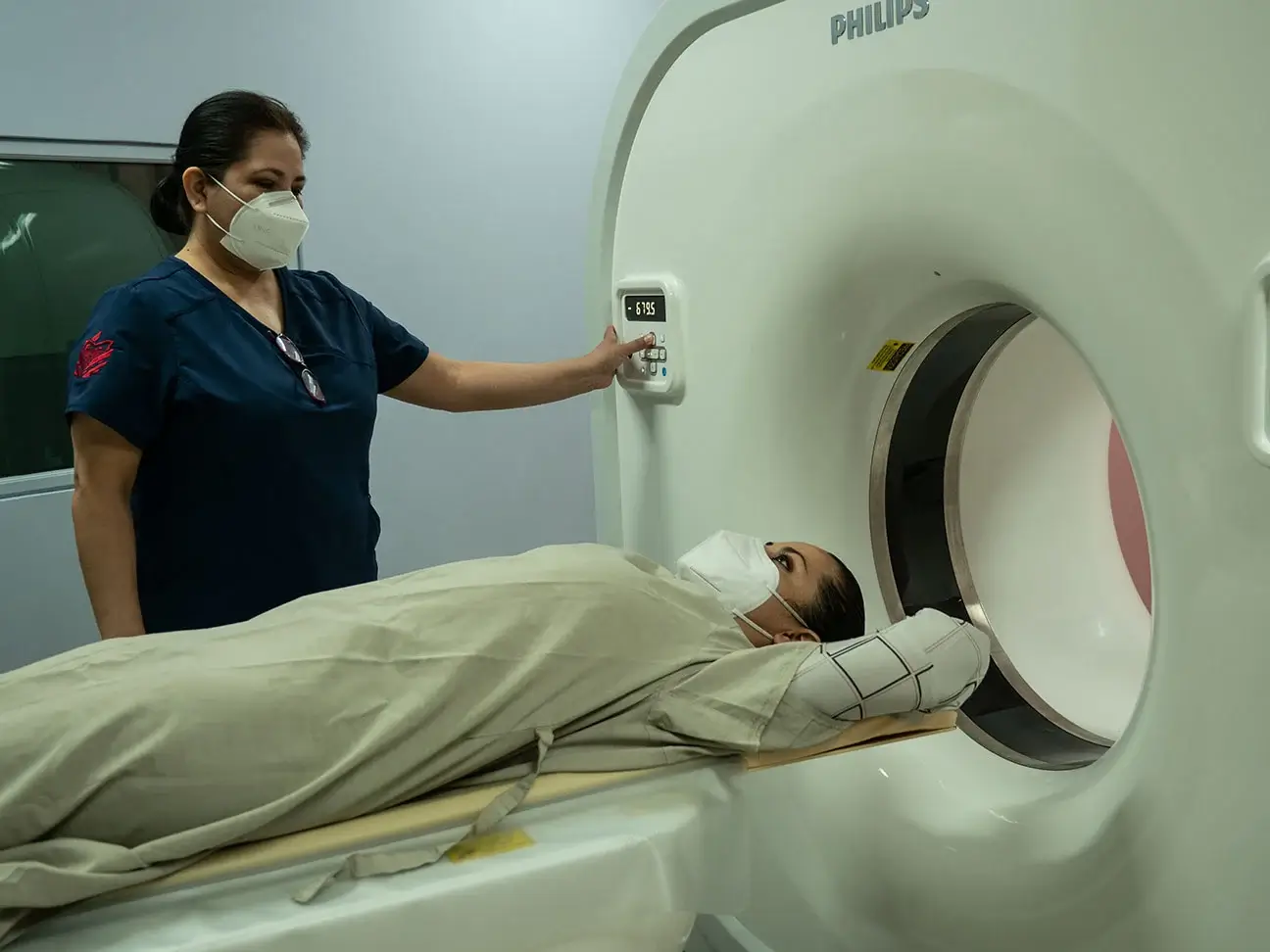
The diagnostic imaging department is led by a radiologist and imaging technicians who perform procedures using specialized equipment such as state-of-the-art ultrasound, computed tomography (CT), and X-rays to support a patient's diagnosis, providing sharp and clear images with their interpretation, with minimal radiation exposure and without health risks. Digital image storage and/or conventional imaging are available.
Occupational Health
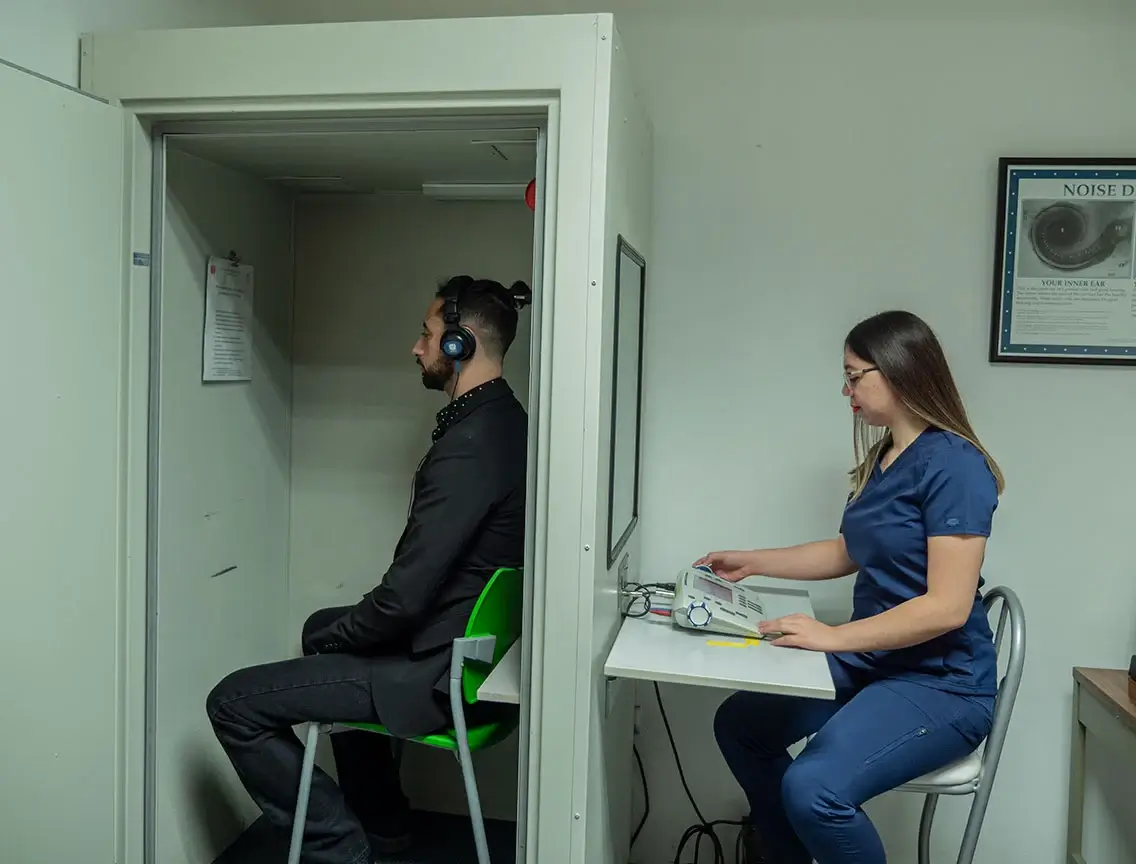
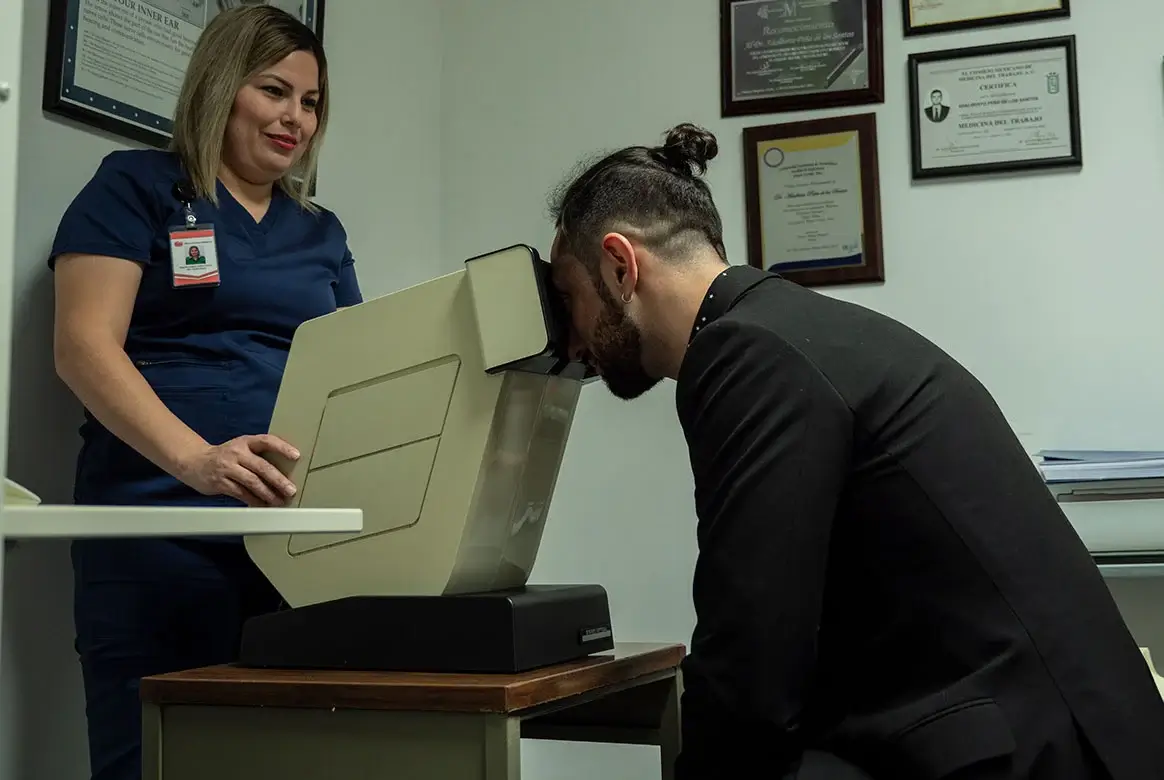
In occupational health, we improve the quality of work life to promote a harmonious and safe work environment, enhancing your company’s productivity and competitiveness.
“Health is everyone’s business.”
We Offer: